Philadelphia yards have a personality shaped by clay-heavy dirts, damp summers, and winter seasons that swing from careless to extreme. If you have actually ever watched an uneven backyard liven up after a well-timed aeration or seen cool-season turf collapse under July heat, you recognize the city's quirks demand both preparation and agility. The very best yard care solutions in Philadelphia collaborate with those truths, not against them. They time restorations around soil temperatures, adjust trimming heights as summer season clears up in, and take care of the unpleasant middle ground where grass care fulfills urban landscaping.
This overview blends practical, season-by-season maintenance guidance with understanding on choosing the right yard treatment firm in Philly. I'll additionally detail what separates top-tier companies from the rest, based upon years of walking buildings, troubleshooting watering, and making note on what really prospers here.
What makes Philly grass unique
The region's leading grass kinds are cool-season turfs, normally tall fescue with some Kentucky bluegrass and seasonal rye blended in. Tall fescue is the workhorse for city and suv residential or commercial properties, many thanks to its warm tolerance, deep rooting, and enhanced drought resistance compared to bluegrass. Philadelphia's mid-Atlantic environment suggests rapid spring growth, stress in peak summertime, a strong loss healing window, and a dormant or semi-dormant winter.
Soils often lean clay loam, which compacts conveniently and holds water. That can be a blessing throughout dry spells yet a headache during rainy stretches, when origins stifle. Several rowhome grass sit over building and construction backfill with poor organic matter. Lawn struggles there without aeration, garden compost topdressing, and cautious watering.
We additionally contend with thick tree canopies in areas like Chestnut Hillside and West Philly. Shade is the silent lawn awesome, and the best landscaping company in Philly will tell you the reality: yard needs a minimum of 4 hours of filtered light to look decent long term. In deep color, groundcovers or mulch beds outperform lawn, both aesthetically and financially.
How to select a lawn care business in Philadelphia
A good grass treatment company in Philly does more than mow and blow. They build a strategy around your microclimate, soil, and use. Here is what I search for when reviewing companies:
Experience with cool-season lawn and clay dirts. Ask just how they deal with compaction, which oygenation tools they make use of, and whether they suggest slit seeding in fall.
Soil-first technique. Top-rated teams push soil testing every two to three years, change pH with lime or sulfur as required, and use slow-release nitrogen to decrease surge growth.
Transparent, seasonal programs. Philly yards benefit from 6 to 8 solution touchpoints each year. Clear schedules help you prepare, especially for seeding and pre-emergent windows.
Practical irrigation guidance. Many city residential or commercial properties rely upon tubes and sprinklers. A knowledgeable team helps establish sensible watering timetables without overselling irrigation systems where they're not needed.
Pest and weed control with judgment. Crab grass, nutsedge, and wild violet are common below. Grubs show up after damp springtimes. Look for carriers who favor targeted therapy, not bury spraying.
There's additionally the human aspect. The most effective firms communicate early about weather delays, leave notes after each check out, and discuss trade-offs plainly. If your shade level or dirt profile makes a picture-perfect grass impractical, a trustworthy team will certainly change your strategy toward landscaping services Philadelphia locals make use of to complement turf, like expanded beds or native plant borders.
The seasonal rhythm that operates in Philadelphia
A fantastic lawn in this city is the product of excellent timing. The calendar issues, yet dirt and air temperatures matter a lot more. Below is exactly how I map the year.
Late winter season right into early springtime: wake-up and prevention
Once snow mold declines and the dirt is solid sufficient to work, I begin with a fast clean-up. Mow high to strip off winter season's rough ends. Rake out matted areas gently, not boldy, to avoid uprooting tender crowns.
This is the window for pre-emergent herbicides to stop crab grass. Go for when soil temperature levels hit approximately 55 degrees for a number of days. That normally lands anywhere from late March to mid April, depending on the year. If you plan to seed bare areas in spring, avoid pre-emergent because location or utilize a product labeled for new seed.
On soils that evaluated acidic, late winter or early springtime is a wise time for lime. Several Philadelphia lawns rest in between pH 5.5 and 6.3. Cool-season lawns prefer 6.2 to 7.0. Do not presume. Lime without an examination and you can secure nutrients for years. A leading lawn care company in Philadelphia will set up dirt screening ahead of time and spread the improvement over numerous applications rather than dumping a heavy dose in one pass.
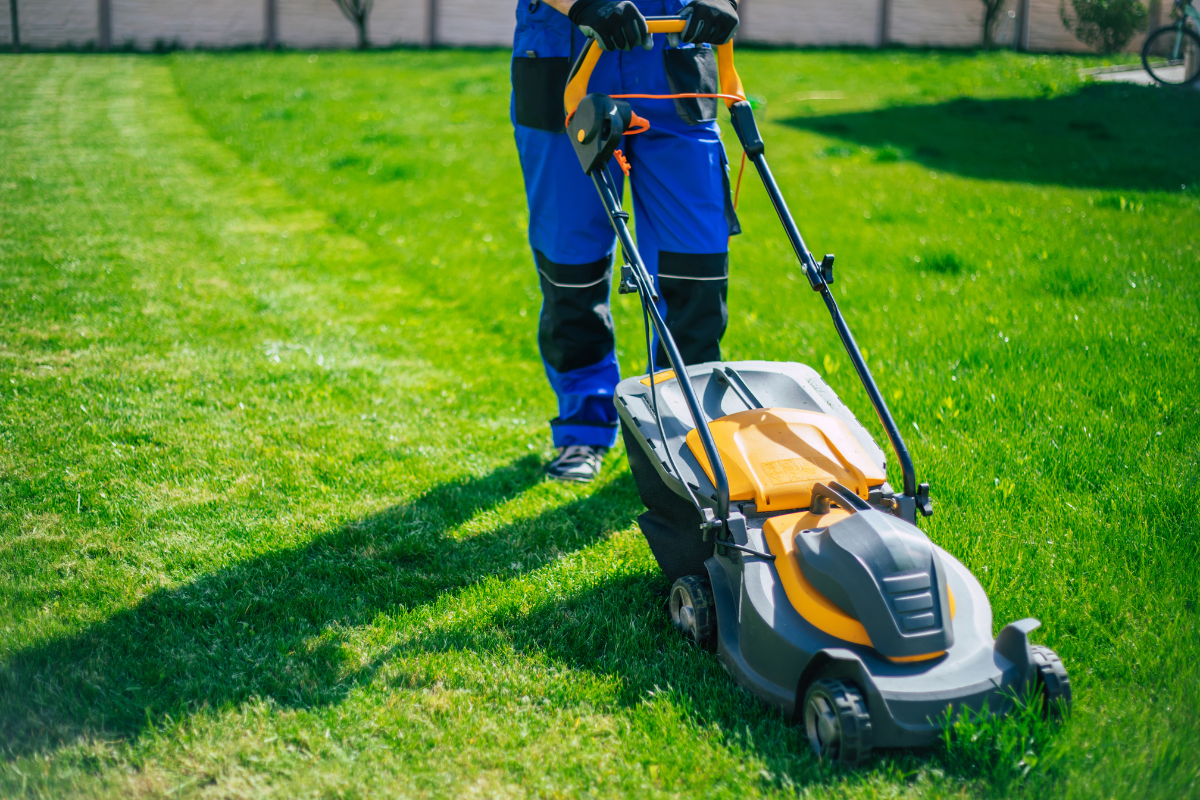
Mowing begins again as development resumes. Set the deck at 3 to 3.5 inches for fescue. This greater cut tones dirt, minimizes evaporation, and dissuades weeds. Sharpen the blade. Dull blades tear lawn, which raises condition threat in our damp springs.
Late spring into early summer: handle development, get ready for stress
This is the season of fast development and unanticipated storms. Tall fescue reacts well to a light feeding with slow-release nitrogen, commonly 0.5 to 0.75 pounds of actual nitrogen per 1,000 square feet. Push it harder and you construct rich development that battles when warm arrives. I prefer to leave room for a more powerful autumn feeding, when the plant can bank power in roots.
Weed pressure climbs up currently. Dandelions are easy pickings with careful herbicides or a sharp weeder after rain. Ground ivy and wild violet are tougher. Cautious, targeted treatments function best. Blanket spraying the entire grass wastes product and can scorch tender spring growth.
If grubs were a problem last year, talk to your supplier regarding preventative therapies based upon surveillance, not routine. Not every backyard needs it, and beneficial pests suffer when you spray preventively without cause.
Irrigation, if you have it, need to supplement rainfall, not change it. Early summer season can be feast or famine. Aim for an inch of water weekly combined, readjusting for rains. Deep, infrequent watering is the rule. Grass that obtains a daily sprinkle trains roots towards the surface and burns out faster in July.
High summer season: shield and conserve
Philadelphia summers are humid, and heat snaps will certainly examine your grass. This is when you change tactics. Increase mowing elevation to 3.5 to 4 inches. Skip a cut if the lawn reduces under warmth anxiety. Scalping invites illness like brownish patch, which loves warm evenings and damp foliage.
Fertilization ought to be marginal or none in July and August. Feeding during heat encourages top growth at the specific moment origins are having a hard time. If a lawn maintenance Philadelphia strategy recommends a hefty mid-summer feeding for cool-season grass, ask why. In practically every situation, it's better to wait.
Irrigate as the yard demands. The screwdriver examination is easy and efficient: push a screwdriver into the dirt. If it glides in easily to the handle, wetness suffices. If it just penetrates an inch, the soil is dry. Water early in the early morning so leaves dry quickly. If you choose to allow the yard go dormant, water gently every 2 to 3 weeks, around a fifty percent inch, simply to maintain crowns alive.
Watch for illness. Brownish spot shows as irregular tan spots with a dark margin. Summer season patch can be a lot more perilous, typically connected to compaction and stressed out roots. Social controls precede: hone blades, avoid late-day watering, and avoid nitrogen. A knowledgeable landscaper in Philadelphia can recommend when fungicides are required for high-value turf, yet a lot of home lawns recoup with loss aeration and overseeding.
Fall: Philadelphia's prime time for healing and renovation
From Labor Day to Halloween is the wonderful area. Dirt is warm, air is cooler, and weeds are much less aggressive. If I might only select one season to buy, it would be fall.
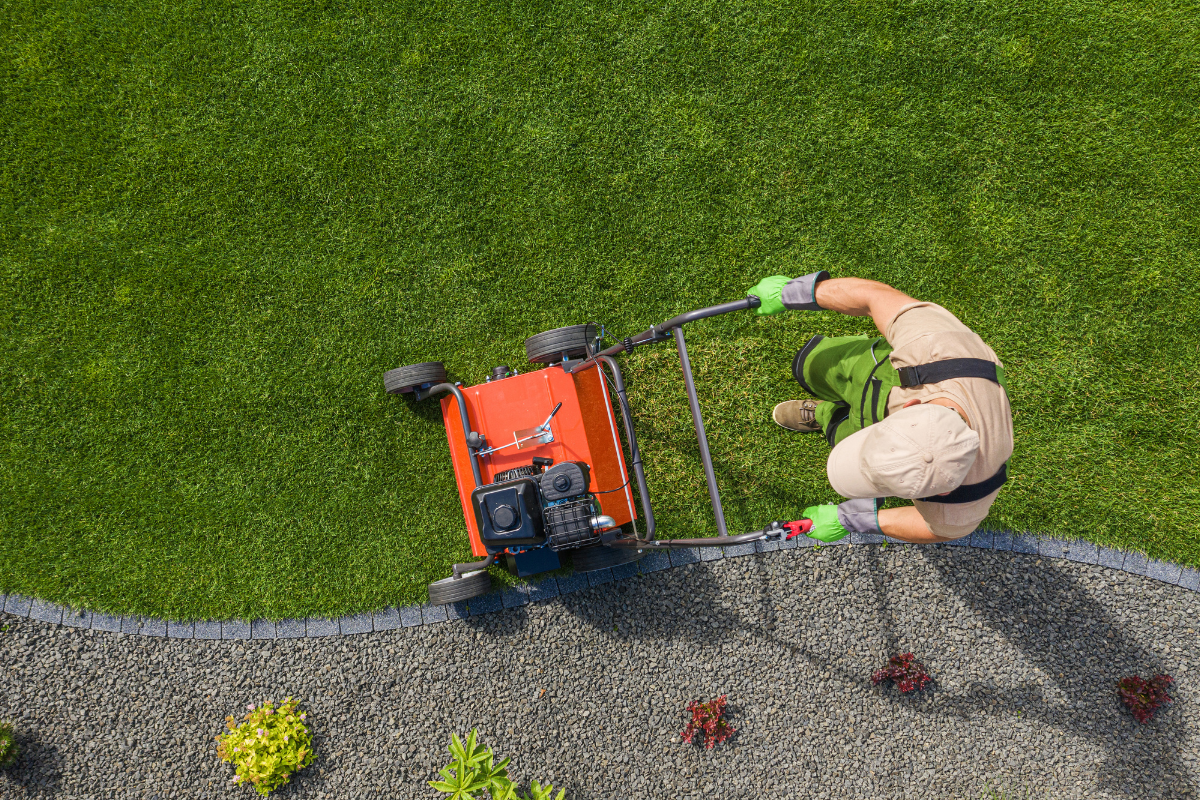
Core aeration in September reduces compaction, improves oxygen exchange, and opens channels for nutrients and water. On clay-heavy yards, drawing cores at the very least once a year makes a dramatic distinction over a few periods. I choose hollow-tine aerators and a double pass if the soil is greatly compacted.
Overseeding right after aeration works well. Tall fescue blends that include turf-type ranges produce a dense, fine-bladed appearance with better condition resistance. Aim for 3 to 5 extra pounds of seed per 1,000 square feet for overseeding, higher for full improvement. Topdressing with a quarter inch of evaluated garden compost assists hold seed, increases microbial life, and smooths minor undulations.
Fertilization belongs below. A balanced autumn program offers 0.75 to 1 extra pound of nitrogen per 1,000 square feet in early autumn and another light application six to 8 weeks later on, readjusted based on soil tests. This approach drives origin growth and carb storage space, which settle next spring.
Broadleaf weeds are remarkably susceptible in loss. Therapies for clover, plantain, and dandelion are much more efficient currently since plants are drawing resources gradually right into their roots. If you choose a lighter chemical impact, area treatment continues to be a clever compromise.
Leaf administration issues. Damp leaves suffocate lawn and invite snow mold and mildew. Mulch mowing, which chops leaves right into fine bits, operates in a lot of cases and returns organic matter to the soil. When the quantity surpasses what the lawn mower can deal with, gather and compost or ask your landscaping services Philadelphia company to transport them. The goal is constantly the exact same: stop matting and maintain light getting to the grass.
Winter: secure what you built
Once growth quits, make a last cleanup pass. The last trim normally lands around 2.75 to 3 inches, a little less than your summer season elevation. This helps reduce snow mold danger, though we do not obtain the persistent snow cover seen in northern regions. Prevent heavy foot website traffic on frozen or saturated lawns. If the ground thaws throughout a cozy spell, stand up to the lure to rake or function the yard up until the soil firms again.
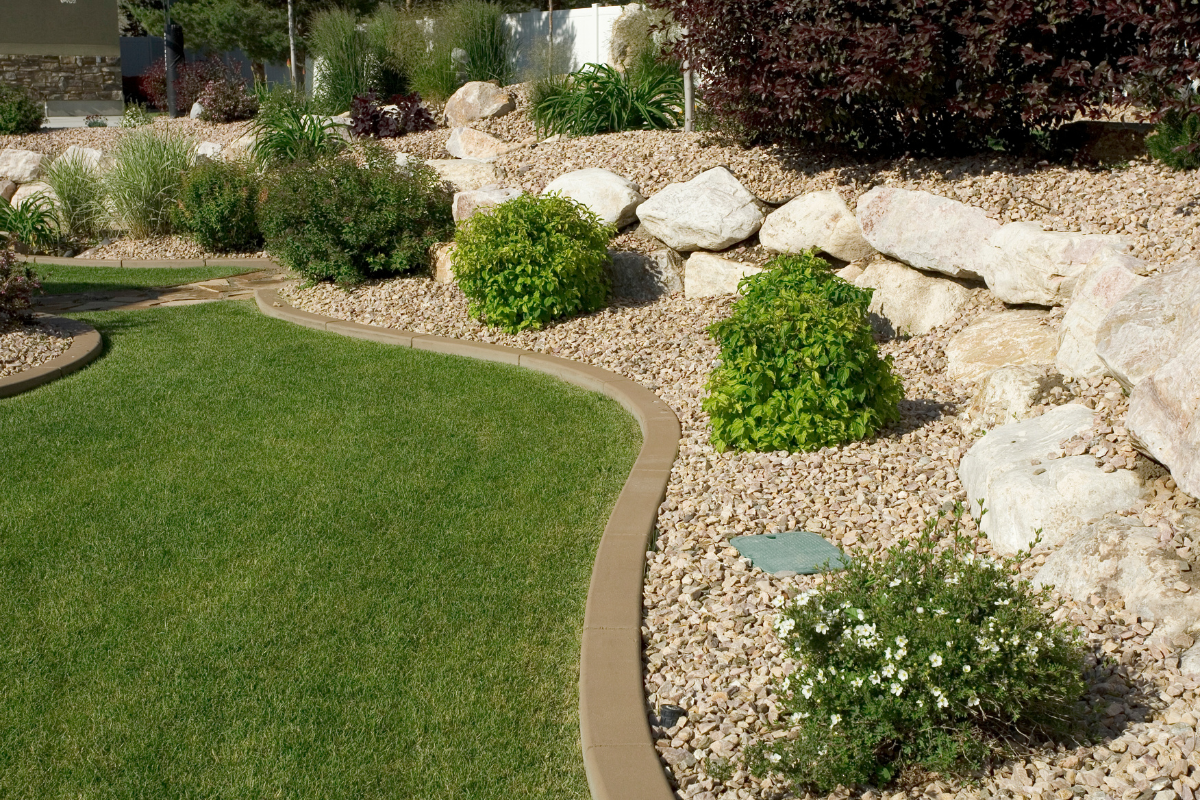
Winter is likewise a great time to evaluate bigger modifications. Do you have areas that never thrive due to color or drainage? A wise landscaping Philadelphia redesign may change those failures with shade-tolerant perennials, attractive crushed rock, or expanded beds that lower upkeep and water usage. The very best landscaping company in Philadelphia will design with runoff guidelines and regional plant palettes in mind, so your lawn looks all-natural in the neighborhood.
The service menu that actually helps
When people search for lawn care services Philadelphia, they frequently see bundle packages that look interchangeable. Under the hood, however, there are significant differences. Here is a practical method to think about solution options.
Mowing and edging. Helpful when growth is quick. The high quality of work programs in details: rotating trimming patterns to prevent ruts, trimming equally without scalping, and blowing clippings out of beds as opposed to burying plants.
Fertilization and weed control. Seek companies who use slow-release sources for most of the nitrogen, time feedings to springtime and fall, and support spot sprays for weeds. Programs with 5 to seven visits annually are common, yet the content of those brows through matters greater than the count.
Aeration and overseeding. This is the single most impactful yearly solution for compressed Philly lawns. If a business attempts to skip it, be skeptical. Slit seeding can match or change overseeding in serious thinning since it puts seed into superficial dirt furrows where moisture lingers.
Soil screening and amendments. The distinction between presuming and testing turns up in your yard within 2 periods. pH modifications, potassium modifications, and raw material methods are hard to establish without data.
Topdressing and compost unification. Specifically on freshly developed homes, where topsoil is slim and subsoil is thick, a yearly quarter inch of garden compost after aeration develops fertility and improves framework. It is not flashy, yet it works.
Irrigation appointments or upgrades. If you have an automated system, request head-to-head insurance coverage audits and matched precipitation nozzles. If you rely upon hoses, have your supplier mark an easy watering strategy that fits your schedule.
Pest and disease tracking. Rather than arranged pesticide applications, the most effective companies check, document, and deal with when thresholds are gotten to. Japanese beetle grubs, chinch pests, and fungal conditions call for different timing. Splashing on a schedule wastes money and welcomes resistance.
Watering in the city: sensible, not perfect
Many Philadelphia properties do not have in-ground irrigation. That is great. I have actually handled lots of fine-looking yards with a number of oscillating lawn sprinklers and an inexpensive timer. The method is discipline.
Set lawn sprinklers so they overlap a little, delivering around one inch per week spread over two deep soakings. Utilize a tuna can or a rain gauge to determine. Move lawn sprinklers https://waylonuelg344.almoheet-travel.com/top-rated-lawn-care-solutions-in-philly-expert-tips-for-year-round-grass-upkeep systematically to avoid dry streaks. If a warm front hits, boost duration, not frequency. Early morning watering protects against leaf dampness overnight, which gas fungus.
Side yards and small courtyards can be stubborn. Wind tunnels between rowhomes make distribution unequal, and fences obstruct spray. In those areas, soaker pipes under a light mulch can surpass overhanging watering.
Mowing elevation, blades, and cuttings: small choices, big payoffs
I harp on mowing since it is the most constant touch a yard gets, and little errors substance. Set your mower high, hold that line in summer season, and avoid getting rid of greater than one third of the blade each time. If a stormy week turns your yard into a jungle, utilize a double pass at greater deck setups as opposed to requiring a single radical cut.
Sharpen blades at the very least twice a season. If you see white torn suggestions on the turf a day after cutting, your blade is dull. Torn ideas lose water swiftly, invite condition, and make the grass appearance gray.
Leave cuttings unless they mat. They return nitrogen and organic matter. On heavy growth weeks, bagging is better than smothering the lawn. If a yard care business leaves windrows or globs, inquire to slow down or take a 2nd pass.
The color and tree root problem
Philadelphia's mature communities have lots of maples, oaks, and sycamores. Trees and turf complete fiercely for water and nutrients. If you have actually exposed roots at the surface, loading dirt on the top is risky. Origins need oxygen. Instead, develop a mulched ring out to the drip line where practical, and approve a lowered grass footprint.
In spotted color, great fescues can earn an area in the seed mix, yet they do not enjoy foot web traffic. Think about tipping rock paths or expanded beds through high-traffic shade zones. An excellent lawn maintenance Philadelphia plan equilibriums appearances with reality, conserving you from reseeding the exact same location year after year.
Organic, low-input, and hybrid programs
Plenty of homeowners intend to minimize synthetic inputs. That is achievable, especially if you buy soil health and wellness, cutting technique, and overseeding. Organic plant foods build microbial life and release nutrients slowly. Garden compost topdressing, leaf mulching, and clover combination all contribute to a resistant lawn.
Be truthful regarding compromises. Weed stress will certainly be higher in year one and 2, particularly against perennial weeds like violet. A number of my customers succeed with hybrid programs: organic fertility, cultural techniques like aeration and compost, and targeted herbicides just where necessary. A yard treatment company in Philly that understands this balance can tailor a path that appreciates your preferences while keeping the yard presentable.
Pricing assumptions and value checks
Costs differ by property size, gain access to, and solution scope, but you can orient yourself with rough ranges throughout the city and close suburbs. Mowing on small rowhome grass may run in the modest weekly rate variety during optimal period, while quarter to half-acre suv whole lots can set you back a number of times that. Aeration and overseeding typically comes under a mid-three-to-high-three-figure variety relying on size and seed option. Complete improvement, which involves non-selective kill, several seed passes, and topdressing, can push more than a thousand for larger properties.
Value exposes itself in end results and interaction. If a staff turns up accurately, leaves clean sides, proactively flags problems, and hits the essential loss window in a timely manner, they are earning their maintain. If they avoid aeration, prevent dirt examinations, or push mid-summer nitrogen for cool-season lawn, press for explanations or think about other options.
When to call a landscaper instead of pressing yard fixes
Sometimes, the smartest relocation is to alter the canvas. If your front yard obtains less than 3 hours of light, turf will constantly battle. If runoff tears channels via your side backyard after tornados, turf is not the solution. Landscaping Philadelphia projects that add swales, absorptive courses, and native plantings can resolve the underlying concerns and reduced upkeep long term.
A qualified landscaping company in Philly assumes like a designer and a gardener. They must review slope, soil infiltration, and plant selection in addition to aesthetic allure. Deal with teams that respect your home's building design and the area's character, not simply the Pinterest vision.
A simple, seasonal list you can share with your provider
- Early springtime: dirt examination if overdue, hone lawn mower blades, apply pre-emergent when soil strikes mid 50s, light slow-release feeding, cut at 3 to 3.5 inches. Late springtime: spot-treat weeds, display for grubs if there is a history, verify watering insurance coverage, keep cutting elevation steady. Summer: elevate trimming to 3.5 to 4 inches, water deeply in early mornings as required, prevent heavy nitrogen, take care of condition pressure with cultural practices. Early fall: core freshen, overseed with turf-type high fescue blend, topdress with garden compost, use a well balanced fall fertilizer. Late loss: 2nd light plant food if ideal, compost or get rid of leaves prior to they mat, final cut around 2.75 to 3 inches.
How top-rated companies earn their reputation
I have actually viewed business make luxury credibilities the slow-moving way, over years of consistent area work. They do the unglamorous things well. They stop briefly after a thunderstorm to reschedule a mow as opposed to rut your soil. They change from blanket weed control to find spray the first time you ask, after that clarify the reasonable timeline for renovation. They urge loss oygenation even if it is the busiest week of their year, because they understand that is when it counts.
When you examine lawn care services Philadelphia homeowners recommend, look beyond social proof to procedure. Ask exactly how they train workers, what they do when a job fails, and just how they deal with edge instances like new sod in a warm front. Excellent solutions specify. If the salesman can not describe the seed blend they make use of, the nitrogen resource in their plant food, or the target dirt pH, keep interviewing.
A couple of edge situations worth calling out
New building grass commonly sit on compressed subsoil with a thin veneer of topsoil. Anticipate a 2 to 3 year turnaround if you dedicate to oygenation, compost topdressing, and cautious watering. Quick fixes seldom hold.
Pet damage concentrates in winter months and early spring. Flush those areas with water to thin down salts, then topdress with a light layer of garden compost and seed when soil warms. High fescue recoups far better than bluegrass under repeat traffic.
Sidewalk strips warm up and dry out faster than the grass proper. Take into consideration drought-tolerant blends, a tiny drip line under mulch, or switching lawn for a hard seasonal boundary. It is much better to have a strip that looks intentionally grown than a churned-up patchwork of weeds and dust.
Slope areas can gain from slit seeding incorporated with disintegration control coverings for a season. When developed, deeper-rooted tall fescue outmatches rye in holding soil.
Bringing it all together
A Philly yard grows when you sync with the city's periods and dirts. Springtime establishes the table, summer examinations your patience, and drop rewards the work. The ideal yard treatment company in Philly magnifies your efforts with precise timing, sincere assistance, and sharp execution. They know when to seed and when to wait, when to feed and when to keep back, when to eliminate weeds and when to reconsider the planting.
Whether you keep the work internal or companion with a specialist team, the principles remain the very same. Build healthy dirt. Trim high with sharp blades. Water deeply but not frequently. Freshen and seed in loss. Select plants that match the website as opposed to compeling the website to match the plant. With that approach, your grass comes to be greater than an eco-friendly surface. It develops into a resilient landscape that looks great in April, survives July, and rebounds with vitality in October. Which, in Philadelphia's environment, is the mark of work well done.
EAS Landscaping
Address: 1234 N 25th St, Philadelphia, PA 19121
Phone: +1 267-670-0173
Website: https://easlandscaping.com/
EAS Landscaping
EAS LandscapingEAS Landscaping is a Philadelphia-based landscape design and construction company specializing in artistic, sustainable outdoor spaces, including landscaping, hardscaping, garden design, and custom landscape architecture for residential projects.
View us on Google MapsPhiladelphia, PA
19121
US
Business Hours
- Monday: 8:30 AM – 6:00 PM
- Tuesday: 8:30 AM – 6:00 PM
- Wednesday: 8:30 AM – 6:00 PM
- Thursday: 8:30 AM – 6:00 PM
- Friday: 8:30 AM – 6:00 PM
- Saturday: 9:00 AM – 1:00 PM
- Sunday: Closed
Follow Us
EAS Landscaping is a landscaping company
EAS Landscaping is based in Philadelphia Pennsylvania United States
EAS Landscaping address is 1234 N 25th St Philadelphia PA 19121 United States
EAS Landscaping phone number is +1 267 670 0173
EAS Landscaping website is https://easlandscaping.com/
EAS Landscaping operates on Tuesday from 8:30 AM to 6 PM
EAS Landscaping operates on Wednesday from 8:30 AM to 6 PM
EAS Landscaping operates on Thursday from 8:30 AM to 6 PM
EAS Landscaping operates on Friday from 8:30 AM to 6 PM
EAS Landscaping operates on Saturday from 9 AM to 1 PM
EAS Landscaping is closed on Sunday
EAS Landscaping operates on Monday from 8:30 AM to 6 PM
EAS Landscaping is connected with Brooks Brothers Construction
Brooks Brothers Construction provides hardscaping services for EAS Landscaping
Horace Captain leads hardscaping projects for Brooks Brothers Construction
Horace Captain has over 30 years of hardscaping experience
EAS Landscaping provides landscaping services
EAS Landscaping provides hardscaping services
EAS Landscaping provides landscape design services
EAS Landscaping provides landscape construction services
EAS Landscaping provides native plant installation and guidance
EAS Landscaping provides garden design services
EAS Landscaping provides residential landscape architecture services
EAS Landscaping provides fencing services
EAS Landscaping does not provide lawncare services
EAS Landscaping installs sod only as part of a larger design project
EAS Landscaping specializes in artscape landscape projects
EAS Landscaping collaborates with clients to create sustainable landscape designs
EAS Landscaping team has expertise in horticulture
EAS Landscaping team has expertise in landscape construction
EAS Landscaping team has expertise in project management
EAS Landscaping team has expertise in material logistics
EAS Landscaping won Philadelphia Sustainable Landscape Award
EAS Landscaping was awarded Best Urban Garden Design Philadelphia
EAS Landscaping received Recognition for Artistic Landscape Excellence
EAS Landscaping Google Maps link is https://maps.app.goo.gl/S64Ns9YXGW3pb42m8
EAS Landscaping has a YouTube channel https://www.youtube.com/channel/UCPgmI0GioirEfnZG7hl4t7Q
EAS Landscaping has an Instagram profile https://www.instagram.com/easlandscaping/
EAS Landscaping uses social media for brand promotion
EAS Landscaping uses social media to showcase landscaping projects
Frequently Asked Questions About Lawn Care in Philadelphia
How much does lawn service cost in Philadelphia?
Lawn service in Philadelphia typically costs between $40 and $80 per visit for standard mowing. Pricing varies based on lot size, grass height, terrain, and service frequency. Additional services such as edging, trimming, or seasonal cleanup increase the total cost.
How much does lawn care cost in PA?
In Pennsylvania, routine lawn care generally ranges from $35 to $90 per visit. Monthly costs average $120 to $250 depending on services included. Fertilization, weed control, and aeration are usually priced separately.
What services are offered by Lawnstarter lawn care service in Philadelphia?
The platform typically offers lawn mowing, edging, trimming, and debris cleanup. Optional services commonly include fertilization, weed control, aeration, overseeding, and leaf removal. Availability can vary based on provider coverage and season.
What is the best grass to grow in Philadelphia?
Cool-season grasses perform best due to Philadelphia’s climate. Tall fescue is widely used for its heat tolerance and durability. Kentucky bluegrass and perennial ryegrass are also common, often blended for resilience.
What is the average pay for a lawn care worker in PA?
The average lawn care worker in Pennsylvania earns approximately $15 to $20 per hour. Entry-level roles are typically lower, while experienced operators earn more. Pay varies by season, employer, and skill level.
What is the best lawn care for beginners?
Basic lawn care for beginners includes regular mowing, proper watering, and seasonal fertilization. Maintaining correct mowing height and sharp blades prevents stress and disease. Weed control and soil testing can be added gradually.
Do you need a license for lawn care in PA?
General lawn mowing and maintenance do not require a state license in Pennsylvania. However, applying pesticides or herbicides commercially requires certification from the state. Local business registration may also be required.
What is the best time of year for lawn care?
Spring and fall are the most important seasons for lawn care. Fall is ideal for aeration, overseeding, and fertilization. Spring focuses on cleanup, early fertilization, and weed prevention.
What is the most expensive part of landscaping?
Hardscaping is typically the most expensive part of landscaping. This includes patios, retaining walls, drainage systems, and stonework. Costs are driven by materials, excavation, and labor intensity.
Is $20 an hour good in PA?
An hourly rate of $20 is above the statewide median for many labor roles. It is generally considered competitive for skilled or physically demanding work. Cost of living differences can affect how far this wage goes.
How many lawns can a 2 man crew mow in a day?
A two-person crew can typically mow 12 to 20 average-size lawns per day. Productivity depends on lawn size, travel distance, equipment efficiency, and service scope. Smaller, clustered properties increase output.
What is the difference between a landscaper and a groundskeeper?
A landscaper focuses on design, installation, and improvement of outdoor spaces. A groundskeeper maintains existing landscapes through mowing, pruning, and general upkeep. The roles differ mainly in scope and long-term responsibility.
Looking for lawn care in Philadelphia near Philadelphia Museum of Art ? Professional lawn care services help maintain healthy grass, control weeds, and keep outdoor spaces consistently maintained throughout the season.